
The Right Placement: When to Break the Rules
- moodestoart
- Dec 24, 2025
- 3 min read

“Hanging art at eye level” is a common directive in home design often intended to prevent any obvious placement mistakes. Yet, like many guidelines, this rule serves primarily as a starting point rather than an unwavering edict. Too often, practical living spaces defy the traditional wisdom we hold dear.
In reality, positioning artwork too high can create an uncomfortable detachment from its surroundings. For many homes, slightly lower placements evoke a sense of calm, making the artwork feel more integrated within the context of the room. After all, what appears to be correct on paper doesn’t always align with how we actually experience a space. It’s important to trust the adjustments your eye naturally craves.
Why Lower Often Feels Better
Hanging artwork too high creates a sense of distance between the piece and the viewer. When art is placed lower, it connects more intimately with its immediate environment, harmonizing with furniture and the body. This is why many rooms feel more resolved when artworks are positioned just a few inches below standard recommendations.
Imagine walking into a room where the art hovers above eye level, creating an unsettling gap between you and the piece. It can feel like pieces of a puzzle that don’t quite fit together. In contrast, when art is lowered, it stops being an aerial spectacle and transforms into a cohesive element of the space, promoting relaxation.

Try This Before You Commit
One practical approach to determining the best placement involves a simple yet effective technique: leaning the artwork against the wall and living with it for a day. This method encourages you to spend time with the piece in a low-pressure environment. By observing it from different perspectives—passing by, sitting nearby, or simply allowing it to exist in the background—you gauge its fit within the room's narrative.
Should it still feel right the next day, congratulations—you have found a suitable spot. But if it continually invites contemplation for movement, that is a cue worth heeding. Good placement should not demand certainty; it should earn trust through consistent visual appeal.

Symmetry Isn’t the Goal — Balance Is
When it comes to art placement, perfect symmetry can often lead to a stiff, overly formal ambiance in homes. Rather than striving for rigidity, one should prioritize balance. Slight asymmetry can introduce a sense of flow and softness, encouraging a more organic interaction with the space.
In practice, this means strategically placing pieces in a way that feels balanced, rather than mathematically measured. Ignoring the impulse to adhere to strict guidelines allows the eye to relax and enjoy the environment. When balance is achieved, the room breathes easier, creating a harmonious atmosphere.

Know When to Stop Adjusting
The right placement often goes unnoticed. It does not shout correctness to the viewer; instead, it simply feels settled. When a room no longer seems to call for changes or adjustments, that’s when you know you have achieved harmony.
If the art feels like it's integrated into the fabric of the space rather than lingering awkwardly, you've probably hit the right mark. Reflection on your space's arrangement frequently leads to a sense of accomplishment; the adjustments, in this case, should feel intuitive rather than forced.
Embrace the Personal Touch
Much of interior design is subjective, shaped by personal tastes and the lived experience. What works in one home might not translate well into another. Always challenge yourself to explore placement variations, beginning with established rules but being ready to break away when intuition offers a different path.
Art is not just an accessory; it should establish a conversation capturing moments and feelings. Consequently, placement should also honor those elements rather than limit them to predetermined standards.
In your journey of discovering the right art placements, do not hesitate to experiment. Visit my article on The Right Placement: When to Break the Rules for deeper insights on mastering the blend of foundational guidelines with your unique aesthetic.
In the end, sculpting a space filled with artwork that feels right is all about trusting yourself. With a keen eye and a little patience, you can create a serene yet stimulating environment that reflects your personality while embracing the essence of your home.
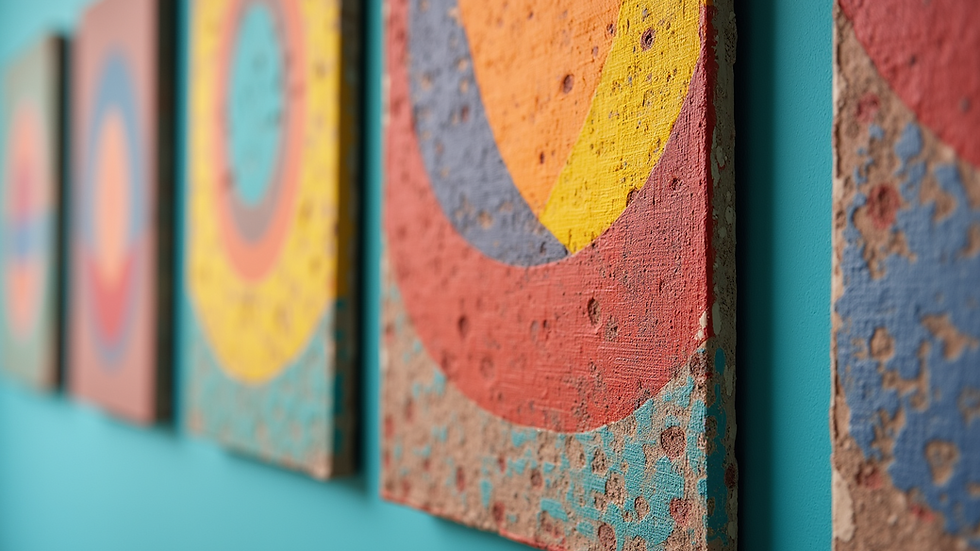
With art positioning, it’s essential to remember that an informed intuition often shapes the most satisfying outcomes. As you navigate your unique space, allow yourself to address what feels harmonious, embracing both tradition and your personal style.
Master the art placement rules and embrace when to break them; creating impactful, balanced, and harmonious wall arrangements will reward both you and your living space.


Comments