
Lifestyle Trends Shaping 2026: How People Are Living, Decorating, and Slowing Down
- moodestoart
- Dec 19, 2025
- 4 min read

Updated: Dec 20, 2025
As we step into 2026, the concept of lifestyle is undergoing a profound transformation. No longer is it merely about acquiring more; instead, the focus has shifted towards calibration, thoughtfully curating experiences and surroundings. This blog post explores five major lifestyle trends shaping how people live, decorate, and embrace a slower pace of life.
Intentional Living Becomes the Default
In 2026, leading an intentional life is no longer a trend but an essential way of being. Individuals are increasingly editing their lives in a manner akin to how designers create a space. The emphasis is on reducing noise: fewer decisions, fewer objects, and fewer distractions. This strategic approach brings more meaning to every choice.
For example, many are embracing capsule wardrobes built around versatile pieces that serve multiple occasions. Some households aim for negative space in their homes rather than cluttered storage areas. Shopping habits are shifting, with purchases being made more slowly and deliberately, allowing individuals to reflect on what items truly support their emotional and physical well-being.
Actionable Tips for Intentional Living
Assess Essential Items: Take inventory of your wardrobe, home décor, and digital belongings. Keep what brings you joy and purpose.
Practice Mindful Shopping: Before making a purchase, ask yourself if the item enhances your quality of life.
Create a Decision-Free Zone: Identify areas in your life where overwhelming choices exist and simplify them for clarity.

Homes Are Designed as Emotional Infrastructure
Today’s households are shifting from mere aesthetic considerations to become emotional havens. Homes are being recognized as emotional systems, with an increased focus on how space serves our mental and emotional needs.
People are paying closer attention to how light flows through a room and how color schemes can affect their mood. Interiors are evolving from flamboyant showcases to serene atmospheres. For example, furniture is being chosen not just for its visual appeal but for its grounding and comforting textures, while art is selected based on its emotional resonance rather than its ability to impress guests.
Creating an Emotional Haven at Home
Light Matters: Consider changes in natural light throughout the day and how it influences your mood.
Choose Calming Colors: Opt for softer colors that soothe rather than stimulate; think pastels or muted earth tones.
Prioritize Comfort: Invest in furniture that feels cozy and inviting, creating a space where you can truly unwind.

Visual Noise Is Giving Way to Atmospheric Design
As we delve deeper into 2026, a noticeable aesthetic shift is taking place. People are moving away from visually overwhelming designs characterized by bold patterns and contrasting colors. Instead, atmospheric design takes precedence, emphasizing calming textures and spaciousness.
The trend emphasizes leaving visual breathing room, supporting a lifestyle where clarity reigns. For example, people are gravitating towards designs that focus on texture over patterns, soft fabric over stiff contrasts, and cohesive schemes over novelty.
Steps to Implement Atmospheric Design
Simplify Your Space: Remove unnecessary decorative elements that create visual clutter.
Focus on Texture: Use a variety of textures in fabrics and materials to create depth without competing visuals.
Create Cohesion: Stick to a harmonious color palette and style throughout your home for a calming effect.

Digital Calm Becomes a Lifestyle Priority
Despite the continuous advancement of technology, people in 2026 are recalibrating their relationship with it. A focus on digital calm emerges as a new lifestyle value, shifting how individuals engage with their devices.
This trend manifests in various ways: individuals are prioritizing fewer, but more meaningful apps, consuming long-form content instead of mindlessly scrolling, and curating their digital environments to promote relaxation and reduce stress. Some have even started to create designated tech-free zones in their homes for digital detoxes.
Digital Calm Strategies
Limit App Usage: Uninstall apps that are unproductive or cause stress; instead, focus on those adding value.
Seek Slow Media: Engage with longer articles, podcasts, or documentaries that foster deeper conversations.
Create Tech-Free Spaces: Dedicate areas in your home for reading or other low-tech hobbies.
Everyday Rituals Matter More Than Big Moments
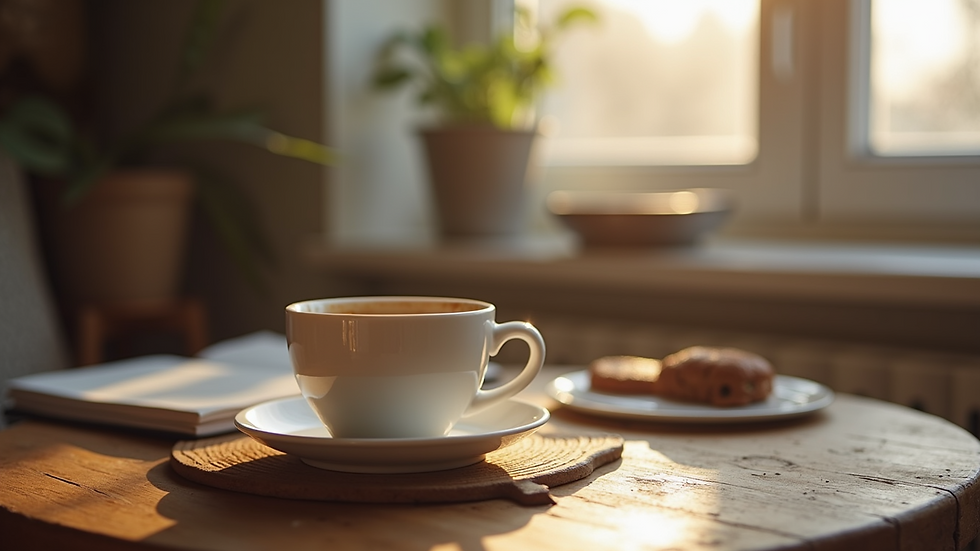
In 2026, a shift toward valuing daily rituals over grand life events becomes increasingly prevalent. People are placing significance on everyday moments: the warmth of morning light, the ritual of sipping coffee in a favorite mug, or the comfort of familiar objects that ground them.
Rituals can be simple yet powerful, evolving into a means to cultivate mindfulness within routine life. Design choices reflect this, with art becoming a part of these everyday experiences rather than standalone focal points.
Cultivating Meaning Through Rituals
Establish Morning Rituals: Create a morning routine that promotes calm and positive energy for the day ahead.
Choose Meaningful Decor: Select art and decorations that resonate emotionally or remind you of cherished memories.
Regularly Engage with Rituals: Make time to step back and enjoy these rituals, which enhance the overall quality of daily life.
Final Thoughts on Emerging Lifestyle Trends
The lifestyle trends shaping 2026 showcase a collective yearning for less stimulation and more presence. Whether through intentional living, emotional home design, atmospheric aesthetics, digital calm, or a focus on everyday rituals, individuals are seeking comfort and clarity in their lives.
As people navigate the complexities of modern living, they are not retreating from the world; rather, they seek to find a genuine sense of belonging within it. Homes are becoming quieter and more patient, reflecting the ethos that living well is not about quantity but quality.
Art, objects, and environments are no longer chosen for what they say; they are selected for how they make people feel. This shift is not just a trend; it’s a vital approach to finding balance in an increasingly chaotic world.


Comments