
Calm Over Crowded Art
- moodestoart
- Dec 28, 2025
- 5 min read

Creating a serene living space is more important than ever in today’s fast-paced world. A calm interior can promote relaxation and enhance well-being. One significant way to achieve this is through mindful wall displays. By simplifying your art collection and decluttering your gallery, you can create a space that feels resolved and tranquil. This blog post explores effective techniques for editing and curating digital art, emphasizing the importance of fewer, carefully placed pieces to achieve visual hierarchy and calmness.
Editing Is a Design Skill
When it comes to displaying art, more does not always mean better. An overcrowded wall can create chaos, where multiple pieces compete for attention and none can truly shine. Effective editing is a vital design skill; it involves selecting artworks that resonate with your space and emotions while allowing them to breathe.
Consider the average wall adorned with ten or more pieces. Each artwork may have its story, vibrancy, and merits, but together, they create visual clutter. Instead of feeling inspired by the collection, you may feel overwhelmed. This is where the power of simplicity comes into play.
It's essential to determine which pieces are truly important to you. Start by removing all artworks from the wall. Take a moment to analyze each piece's value, emotional impact, and resonance with your overall home decor. Aim to keep only those that evoke powerful feelings or bring joy.
One Expressive Piece Per Wall
A compelling strategy for crafting calm interiors is to choose one expressive piece per wall. When a single artwork leads, viewers can engage with it without distraction. Supporting elements should either remain subtle or disappear, allowing the focal point to take center stage.
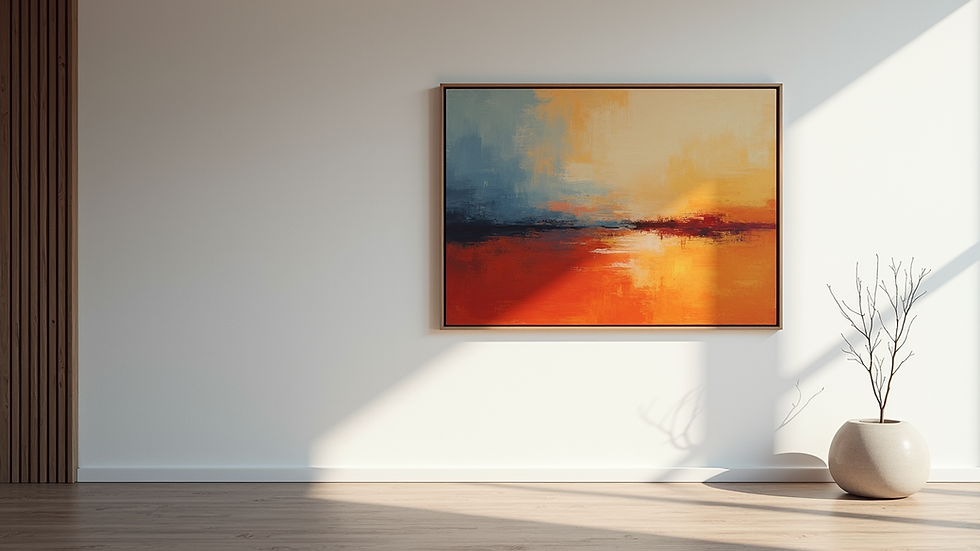
For instance, imagine a spacious wall featuring an oversized abstract painting in calming hues. The absence of surrounding distractions enhances its impact. This arrangement not only creates a visual hierarchy but also guides the viewer's attention, allowing for moments of reflection.
To implement this technique in your home, assess the purpose of each room. In a living space, you might opt for a vibrant piece that sparks conversation, while in a bedroom, a soothing landscape could create a restful atmosphere.
Placing a single artwork on a feature wall invites the viewer to appreciate its beauty fully. This method fosters serenity and clarity while simultaneously adding depth to your decor.
Space Is Active
Negative space is a powerful design element that can create rhythm and calm in your interiors. It refers to the areas surrounding your artwork, allowing the eye to rest and create breathing room. A design heavily packed with visuals lacks this vital element and can feel cluttered.
When planning your wall displays, remember that space is just as important as the artwork itself. Effective use of negative space allows each piece to command attention and establish its significance within the room. By strategically placing art and allowing empty areas around it, you create an atmosphere of tranquility.
Imagine two similar artworks—one framed closely together among other pieces and another hung alone with generous empty space around it. The second artwork will stand out and provide a sense of calm, while the first may create a sense of chaos.
It’s essential to consider the scale of your artworks and the walls around them. Larger spaces afford you the luxury of greater negative space. In contrast, smaller areas can still utilize negative space effectively by ensuring that the chosen artworks are appropriately sized and thoughtfully placed.

Curating Digital Art
In today’s digital age, curating digital art has become increasingly popular. The process is akin to physical curation but involves additional techniques tailored to screen displays. When incorporating digital art into your home, it's crucial to consider display settings, as improper presentation can detract from the peaceful essence you seek.
Start by selecting a few digital artworks that resonate with your desired aesthetic. Keep in mind the overall tone of your space when choosing colors and subject matter. Neutral hues and minimalist designs tend to promote a calm atmosphere.
Next, focus on the platform you use for displaying digital art. Whether through a digital frame or a smart screen, ensure quality resolution and presentation settings are optimized for a tranquil effect.
Finally, think about rotation. Unlike traditional art, digital pieces can be updated or swapped effortlessly. Consider curating a seasonal selection of digital artworks that can be rotated for freshness throughout the year—reinventing your space while maintaining a sense of calm.
The Impact of Color
When curating art for your home, the colors used in each piece can significantly influence the atmosphere. Calming color palettes, including softer tones and neutrals, can help foster tranquility.
For example, artworks featuring muted blues, greens, and tans can evoke feelings of peace and serenity. These colors are naturally found in nature, reminding us of serene landscapes.
On the other hand, overly vibrant or contrasting colors can create tension in a space. They have a stimulating effect that may disrupt the calm environment you aim to achieve.
When curating your collection, pay attention to the color dynamics between your artworks and the surrounding decor. Harmonizing colors enhances the overall cohesion and peacefulness of your interiors.
Embracing Minimalist Decor
Embracing a minimalist approach to decor not only supports a calm environment but also maximizes the impact of your art. Minimalism focuses on "less is more," inviting simplicity and functionality into your living space.
This principle extends beyond art to furniture and accessories. By limiting the number of items in a room, you grant each piece the opportunity to shine in its own right. Choose furnishings that complement your artwork rather than compete with it.
For instance, a sleek, neutral sofa paired with a few accent pillows in similar hues will help draw the eye to a statement piece on the wall without overwhelming it.
Minimalist decor also promotes easy maintenance. Fewer items mean less clutter and more clarity, allowing you to dedicate your focus to what truly matters—enjoying your thoughtfully curated space.
In summary, adopting a minimalist approach to your decor can profoundly impact the calmness of your home, fostering an environment where art and tranquility coexist harmoniously.

Finding Your Art Voice
Finally, an important aspect of achieving a calm interior is embracing your personal style. Your art choices should reflect who you are and what resonates with you emotionally.
Take the time to explore different styles, mediums, and themes that speak to you. Curating a collection that genuinely represents your tastes will create a space that feels authentic to you. Authenticity fosters comfort and peace.
Consider visiting galleries, attending art fairs, or exploring local artists' online platforms. Engage with different art forms until you find those that resonate with your spirit and enhance your serene ambiance.
A well-curated art collection nurtures not just the physical space but also the emotional landscape of your home.
By prioritizing intentional selections and mindful displays, you can cultivate an environment that offers clarity and calm, truly embodying the essence of "calm over crowded art."
As you embark on your journey to create a serene space, remember that artwork is a powerful expression of self. Its harmony with your interior design can transform your home into a sanctuary, providing solace in your daily life.


Comments